
Surface Detail Summary: Key Ideas, Lessons and the Elon Musk Connection
Listen to this article
Surface Detail (2010) is the ninth book in Iain M. Banks’s Culture series: a murdered woman is brought back to life by a hidden neural lace and sets out for revenge, while civilizations fight a hidden war over virtual afterlives used as Hells. It is one of the two books Elon Musk tells new readers to start with, and the one he has singled out with the words “especially Surface Detail.” The neural lace that saves the heroine is the same Culture idea reporters later tied to Neuralink.
This summary is part of MagnÜron’s Elon Musk reading list series. It covers the story without big spoilers, the ideas that make it last, how it shows up in Musk’s companies, and what a business owner can take from it.

Summary
The Culture is a far-future civilization where almost nothing is scarce. Vast artificial intelligences called Minds run the ships and habitats, and people can live for centuries.
Banks published this novel in 2010, late in the series and after the tighter story of The Player of Games, but you do not need to have read the earlier books. Each Culture novel stands alone, though this one is longer, darker and more crowded with plotlines.
Lededje Y’breq lives in a society far below the Culture’s comforts. Her skin is marked, in an elaborate design called intagliation, as a sign that she is the property of Joiler Veppers, a powerful industrialist.
She tries to escape, and Veppers murders her. That would be the end of the story, except that a Culture ship had secretly grown a neural lace in her brain years earlier.
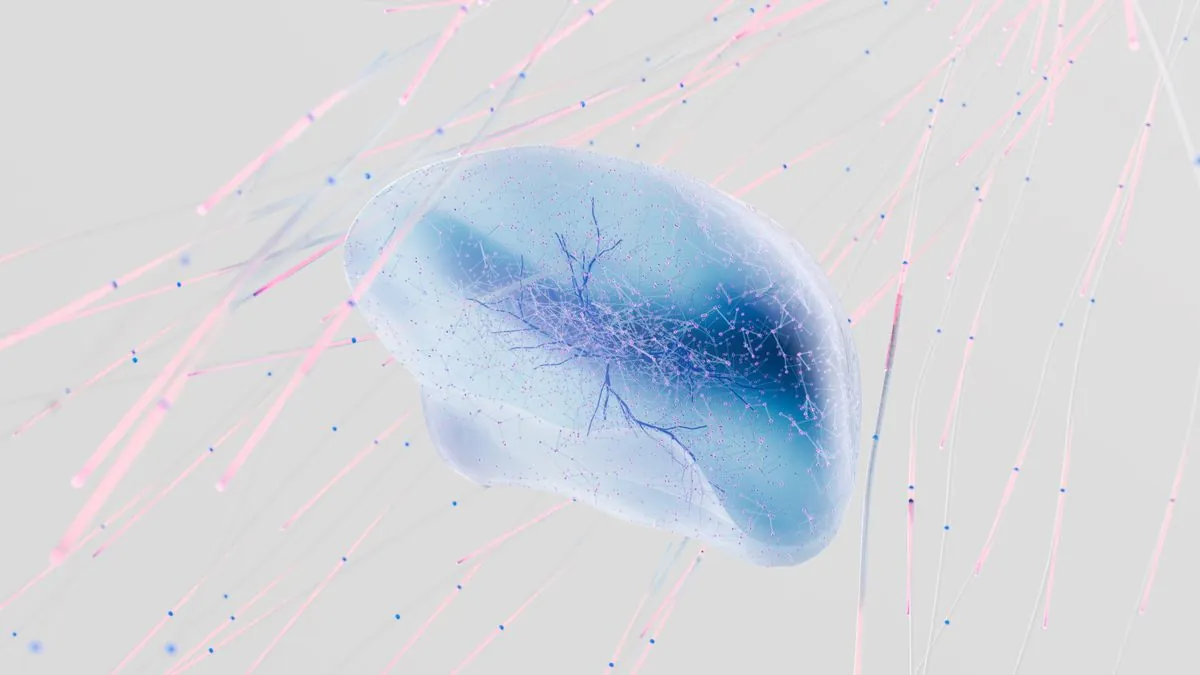
A neural lace is a fine mesh that can back up a person’s mind. At the moment of her death, Lededje’s mind-state is sent to a Culture ship, and she wakes in a new body, free of the marks that once defined her.
Freedom does not settle the account. She wants to go home and take revenge.
Around her, a much larger argument is underway. Many advanced civilizations can record a mind and run it after the body dies, and some of them have built virtual Hells: afterlives in which the dead are tortured.
A long, simulated war, already decades old, is supposed to decide whether those Hells may continue. The Culture is fiercely against them, but it has agreed to stay out of the fight and accept the result.
Other lives get pulled in. A soldier keeps dying and returning in the virtual war, and two academics from a society that uses Hell as a threat enter one of those afterlives to expose it.
A Culture agent from Quietus, the branch that deals with the dead, is sent to keep Lededje from causing a diplomatic disaster.
Without giving away the ending, the novel asks a hard question. If a mind can be copied, stored and made to suffer, what do the living owe those copies, and can a “civilized” society stay clean while others run torture as policy?
Banks’s tone is still sharp and often funny. One Culture warship in the story, Falling Outside The Normal Moral Constraints, has a personality as memorable as its name, which makes the darker material hit harder.
Key Ideas

1. The surface is not the story
The title works on two levels. Lededje’s markings are a literal surface that tells the world she is owned, and the book’s societies keep nicer stories on top of uglier systems.
Veppers looks like a successful businessman, and the Hells look like other people’s religion, or other people’s problem. Banks keeps asking what you would see if you looked underneath.
2. If a mind can be copied, ethics have to follow
The neural lace, the backups and the virtual afterlives are not decorations. Once a personality can be stored and run, how that copy is treated is a moral fact, not a metaphor.
The Culture uses the same family of technology to restore a life. Other civilizations use it to build prisons that never have to end.
The difference is a choice, not a law of physics.
3. Revenge is not the same as justice
Lededje’s motive is personal and easy to understand. The Culture’s involvement is slower, more political and less honest with her than she might like.
The book does not scold her for wanting payback. It does ask whether getting even and doing right are the same thing, and who gets to decide.
4. Staying out of a fight is still a choice
The Culture opposes Hells and still sits out the virtual war, promising to honor the outcome. Neutrality can look principled, and it can also look like a way to keep your hands clean while the decision is made.
Banks does not let that posture off the hook. When the thing being decided is torture, standing aside has a cost.
5. Punishment can be both a belief and a business
Some societies use the threat of Hell to control the living. Others have money, contracts or status tied up in keeping those afterlives running.
Cruelty in this book is not only the work of obvious monsters. It is also something people can sincerely believe in, and something other people can profit from.
How It Ties to Musk Today
Walter Isaacson’s 2023 biography Elon Musk puts Heinlein, Asimov and Douglas Adams at the center of Musk’s teenage reading, as Fortune summarized and MagnÜron’s Elon Musk Isaacson summary covers. Banks is the novelist the adult Musk talks about most, and his public comments on Surface Detail are easy to trace.
“Especially Surface Detail”
On June 16, 2018, in a reply about which Iain M. Banks novels to read, Musk wrote: “All of them, especially Surface Detail.”
On December 14, 2019, asked for his favorite Culture novel, he replied: “Possibly Excession, but I’d recommend reading Player of Games & Surface Detail first. They’re all great.” That advice is why this book follows The Player of Games in MagnÜron’s Culture series hub.
Neural lace and Neuralink
In Surface Detail, the neural lace is not a background gadget. It is the device that quietly records Lededje’s mind and lets the Culture restore her after she is killed.
Musk began using the phrase in public talks about keeping humans in step with AI. When Neuralink, his brain-computer interface company, became public in 2017, Ars Technica described it as a direct reference to Banks’s invention.
That is not the same as saying Musk built Neuralink because of this one novel. It is fair to say this is the Culture book in which the lace matters most to the plot, and that the long-range idea of a mesh that links a brain to a machine, and can back up a mind, comes straight out of these books.
Virtual minds, xAI and an abundant future
The same family of technology that saves Lededje is what makes the Hells possible. Surface Detail is the Culture novel that looks hardest at what happens when a mind-state can be copied, stored and used.
Musk has been both optimistic and cautious about that kind of future. In late December 2014, he posted that he was reading the Culture series, calling it a “compelling picture of a grand, semi-utopian galactic future,” and adding, “Hopefully not too optimistic about AI.”
On April 18, 2026, he wrote that “AI/Robotics will mean everyone can have a penthouse if they want” and told readers to “read the Iain Banks Culture books for the best imagining of how it will be,” as Yahoo Finance reported. That hopeful picture sits beside this novel’s warning: abundance and backup do not, by themselves, guarantee kindness.
None of this makes Surface Detail a blueprint for Neuralink, xAI or Tesla. It is better read as the book in which Musk’s favorite series looks most directly at digital minds, afterlives and the cost of looking away.
Lessons for Business and Life
You do not need a neural lace to use this book. Here are six lessons.
- Look under the surface. The markings, the contracts and the cheerful brochure can hide the real system. Ask what a clean public story is leaving out, then go and check.
- Treat data about people as if it were the people. Backups, recordings, customer files and training data still point to someone. If a copy can identify a person, or if its misuse can still cause harm, the duty does not vanish.
- Don’t confuse payback with a plan. Revenge feels clean, and it can still wreck the rest of the goal. Name the outcome you actually want before you spend your energy on getting even.
- Neutrality is a decision. Sitting out a fight over a standard, a supplier’s practice or a partner’s ethics still shapes the result. If you are refusing to take a side, be honest about what that refusal protects.
- Follow the money behind the rulebook. Who profits from the way punishment, fees or “the way we’ve always done it” works? A rule that looks like principle is sometimes just a revenue line.
- Rebuild after harm with a new purpose, not just a fresh start. Lededje gets her life back and still has to choose what to do with it. Recovery is not the same as a reason to go on.
To turn these into habits, pair them with MagnÜron’s guides to first principles thinking, the Elon Musk algorithm and mental models for better decision-making. For a step-by-step approach, see how to make better decisions.
Final Thoughts
Surface Detail earns its place beside The Player of Games on Musk’s starter list. It is bigger, darker and more interested in what advanced civilizations owe to digital minds.
Read it for the story, then ask which “surface details” in your own work hide the real system. Ask what you owe the people, or the data, underneath.
For the rest of the series, visit the Culture series hub, and for the full shelf, see the Elon Musk reading list.
Frequently Asked Questions
What is Surface Detail about?
A murdered woman is restored to life by the Culture and sets out for revenge, while a hidden war is fought over virtual afterlives used as Hells. It is a standalone Culture novel from 2010, later and larger in scale than The Player of Games.
Why does Elon Musk recommend Surface Detail?
In a June 2018 reply about which Banks novels to read, he wrote, “All of them, especially Surface Detail.” In December 2019 he said to start with The Player of Games and Surface Detail. Both posts are still on his account.
Does Surface Detail connect to Neuralink?
Yes, more than most Culture novels. A “neural lace” secretly implanted in the heroine backs up her mind and lets the Culture restore her after death. When Neuralink became public in 2017, reporters described it as a reference to Banks’s device.
Is Surface Detail a good first Culture novel?
Musk thinks so. He pairs it with The Player of Games as a starting point. It is longer and darker than that earlier book, so some readers prefer to start with the shorter one. Each novel stands alone, so either works.
What should I read after Surface Detail?
If you started with The Player of Games, this is the natural next step. Musk has called Excession “possibly” his favorite. MagnÜron’s Culture series hub lists all 10 books in order.