
Elon Musk by Walter Isaacson: Book Summary and Lessons for Small Business Owners
Listen to this article
Walter Isaacson’s Elon Musk (Simon & Schuster, September 2023) is a long book about a polarizing person. Isaacson, who also wrote biographies of Steve Jobs, Albert Einstein, and Benjamin Franklin, followed Musk for two years, sat in on his meetings, and interviewed family members, colleagues, and critics.
Whatever you think of Musk, the book is full of management ideas that a small business owner can test. Some are useful at any scale. Others come with costs that Isaacson documents in detail, and those costs are as much a part of the lesson as the ideas themselves.
This Elon Musk Isaacson book summary focuses on the practical side: the algorithm, first principles, the idiot index, urgency, and the price of running a company the way Musk does. It ends with an action list you can use this week.
The Big Picture
Isaacson tells the story mostly in chronological order, from Musk’s difficult childhood in South Africa through Zip2, PayPal, SpaceX, Tesla, and the purchase of Twitter. The book doesn’t try to settle whether Musk is a hero or a villain. Isaacson’s own summary is that “both his accomplishments and his failures were epic.”
For a business reader, the most useful chapters are the ones that show how Musk runs engineering and production. He walks factory floors, asks why each part exists, and pushes teams to cut cost and time. Those habits are the source of the lessons below.
Lesson 1: The Algorithm
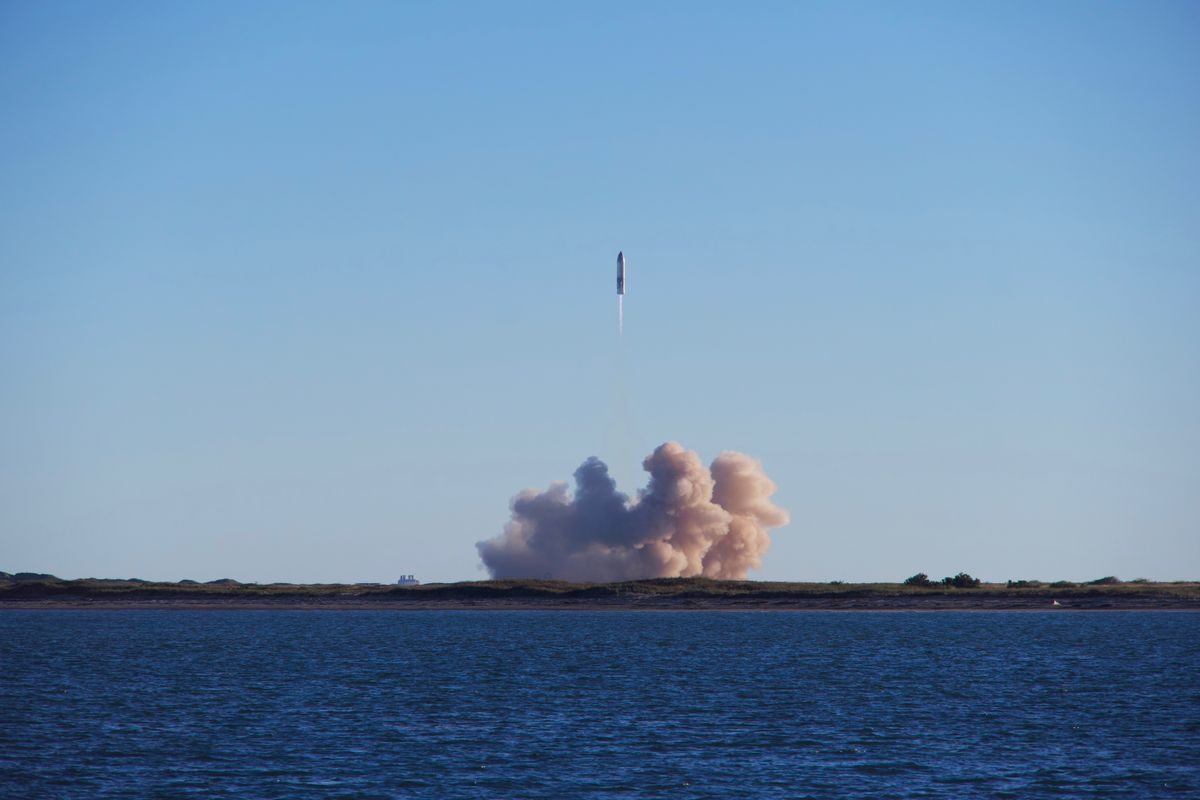
The best-known idea in the book is what Musk calls “the algorithm,” a five-step process he repeats at production meetings. Isaacson writes that Musk admitted, “I became a broken record on the algorithm. But I think it’s helpful to say it to an annoying degree.”
The five steps, in order:
- Question every requirement. Each requirement should have a person’s name attached, not a department’s.
- Delete any part or process you can. In Isaacson’s account, “if you do not end up adding back at least 10% of them, then you didn’t delete enough.”
- Simplify and optimize. Only after deleting. “A common mistake is to simplify and optimize a part or a process that should not exist.”
- Accelerate cycle time. “Every process can be speeded up. But only do this after you have followed the first three steps.”
- Automate. Last, after the process has been questioned, cut down, and simplified.
The order is the lesson. Most businesses jump straight to step 5. They buy software or equipment to speed up a process that shouldn’t exist in its current form. Musk learned this the hard way during Tesla’s Model 3 production problems, when, as Isaacson recounts, he said the big mistake was trying “to automate every step” first.
For a full walkthrough with small business examples, see this guide to the Elon Musk algorithm.
Lesson 2: Reason From First Principles
Isaacson returns again and again to Musk’s habit of breaking problems down to basic facts rather than accepting how things have always been done. Among Musk’s rules for rocket-building, Isaacson lists that all requirements should be treated as recommendations, and that the only rules that can’t be changed are the laws of physics. Musk put it this way in one of his workplace maxims: “The only rules are the ones dictated by the laws of physics. Everything else is a recommendation.”
In practice, this means asking what a product or service is actually made of and what it should cost, instead of starting from what competitors charge or what suppliers quote. Isaacson connects this directly to urgency: pushing for impossible deadlines forced engineers to throw out assumptions and work from the basics.
For a small business, first principles thinking doesn’t require rockets. It might mean questioning why a job takes three site visits, why you buy a part you could make, or why your pricing is based on a competitor’s list rather than your own costs. This guide to first principles thinking covers the method step by step.
Lesson 3: The Idiot Index

One of the most practical tools in the book is the idiot index. Isaacson describes it as the ratio between the total cost of a component and the cost of its raw materials. If a part costs $1,000 and the aluminum it’s made from costs $100, the idiot index is 10.
Musk’s verdict, as quoted by Isaacson: “If the ratio is high, you’re an idiot.” A high ratio suggests that the design is too complicated or the manufacturing process is inefficient. Musk used the index to decide which parts to redesign, which to make in house, and which suppliers to push.
How a small business can use it (illustrative example): A cabinet shop compares the price it pays for a custom drawer front with the cost of the wood and hardware in it. If the ratio is very high, the shop has a few options: simplify the design, make the part in house, or negotiate with the supplier. The same thinking works for services. Compare the price of a bought-in service with the labor hours it would take to do it yourself.
The index isn’t a rule that everything should be made in house. Labor, equipment, and skill all cost money. It’s a flag that tells you where to look.
Lesson 4: A Maniacal Sense of Urgency
Isaacson describes urgency as a central part of Musk’s operating style. Musk has told employees that “a maniacal sense of urgency is our operating principle.” At times, this turned into what Isaacson calls surges: “an all-hands-on-deck 24/7 frenzy to produce an outcome by a deadline that was artificial and unrealistic.”
There’s a real lesson here. Deadlines that feel uncomfortable can force people to question assumptions and drop steps that don’t matter. Many small businesses move slower than they need to because nobody has asked why a task takes two weeks instead of two days.
But Isaacson is clear that urgency at Musk’s level wears people out. Early SpaceX engineer Tom Mueller told Isaacson he learned never to tell Musk no: “Just say you’re going to try, then later explain why if it doesn’t work out.” That’s a sign of a culture where bad news is hard to deliver, which is risky in any company.
Lesson 5: The Costs Isaacson Documents
A book summary that only covered the wins would miss half of what Isaacson wrote. The biography spends a lot of time on the costs of Musk’s style:
- Demon mode. Isaacson describes Musk’s mood swings, with “occasional plunges into what those around him dreaded as ‘demon mode.'”
- Harsh management. Reviewing the book in The Guardian, John Naughton wrote that the term that “comes continually to mind” from Isaacson’s account of Musk’s management style is “brutal.” He described the book’s account as filled with “sudden dismissals, capricious decision-making” and noted that Musk doesn’t care much about employees’ work-life balance.
- Relationships. The same review summarized the view of one of Musk’s oldest friends from university: you can work with him or be his friend, but not both.
- Self-inflicted controversy. Isaacson writes that Musk “stoked the controversies by making inflammatory political pronouncements and picking unnecessary fights.”
For a small business owner, these costs matter more than they do for a billionaire. A small team can’t absorb high turnover. A service business depends on staff who stay and customers who come back. You can borrow Musk’s questioning and deleting habits without borrowing his temper.
Self-Check: Which Lessons Fit Your Business?
Ask yourself:
- Which of your processes has never been questioned since it was first set up?
- Can you name the person behind each of your most annoying internal rules?
- Which part, product, or service you buy has the biggest gap between its price and the cost of what’s in it?
- Where would a tighter deadline force a better process, and where would it just burn people out?
- Do people on your team feel safe telling you something won’t work?
Action List
- Run the algorithm on one process. Pick a process that annoys customers or staff. Question the requirements, delete what you can, then simplify. Don’t automate until the end.
- Attach names to rules. For every internal rule, write down who made it and why. Retire the ones nobody can explain.
- Calculate one idiot index. Choose your most expensive purchased part or service and compare its price with the raw cost of what’s in it.
- Set one ambitious deadline. Use it to question steps, not to demand longer hours.
- Make bad news easy. Tell your team you’d rather hear “this won’t work” early than “we tried” late.
- Protect your people. Decide in advance which of Musk’s costs you won’t accept: burnout, fear, or turnover.
Final Thoughts
Isaacson’s Elon Musk is not a management manual, but it contains some of the most useful operational ideas of the last two decades. The algorithm, first principles, and the idiot index are simple enough to use in a small shop this week. The book’s honesty about Musk’s costs makes it more useful, not less, because it shows where the ideas end and the personality begins.
If you want another founder’s view of building something new, this Zero to One summary covers Peter Thiel’s ideas. Thiel co-founded PayPal, which merged with Musk’s X.com, and both books share a habit of questioning conventional wisdom.
You can find the book on the Simon & Schuster page for Elon Musk.
Frequently Asked Questions
What is the Elon Musk algorithm from Isaacson’s book?
It’s a five-step process Musk repeats at production meetings: question every requirement, delete any part or process you can, simplify and optimize, accelerate cycle time, and automate. The order matters, because automating or speeding up a process before questioning it locks in waste.
What is the idiot index?
The idiot index is the ratio between the total cost of a component and the cost of its raw materials. Isaacson’s example is a $1,000 part made from $100 of aluminum, an index of 10. A high ratio suggests the design or manufacturing process can be improved.
Is Isaacson’s biography of Elon Musk positive or negative?
It’s both. Isaacson describes Musk’s accomplishments in detail, but he also documents his harsh management style, mood swings, and self-inflicted controversies. Reviewers such as The Guardian‘s John Naughton highlighted how often the account reads as “brutal.”
What can small business owners learn from Elon Musk?
The most useful lessons are process ideas: question requirements, delete steps before improving them, reason from first principles, and compare what you pay with the cost of materials. The costs Isaacson documents, such as burnout and turnover, are a reason to adopt the methods without the temper.
When was Walter Isaacson’s Elon Musk published?
Simon & Schuster published Elon Musk by Walter Isaacson on September 12, 2023. Isaacson followed Musk for about two years while researching it.