Depreciation: A Plain-English Guide for Small Business Owners
Listen to this article
When you buy a $30,000 work truck, it doesn’t feel like a normal expense. You’ll use it for years, so counting the whole cost in a single month would make that month look terrible and every month after look better than it really is. Depreciation fixes that by spreading the cost over the years you use the asset.
This guide explains what depreciation is, shows the most common formula, walks through an illustrative example for a landscaping company, and covers the mistakes that trip owners up.
What Is Depreciation?
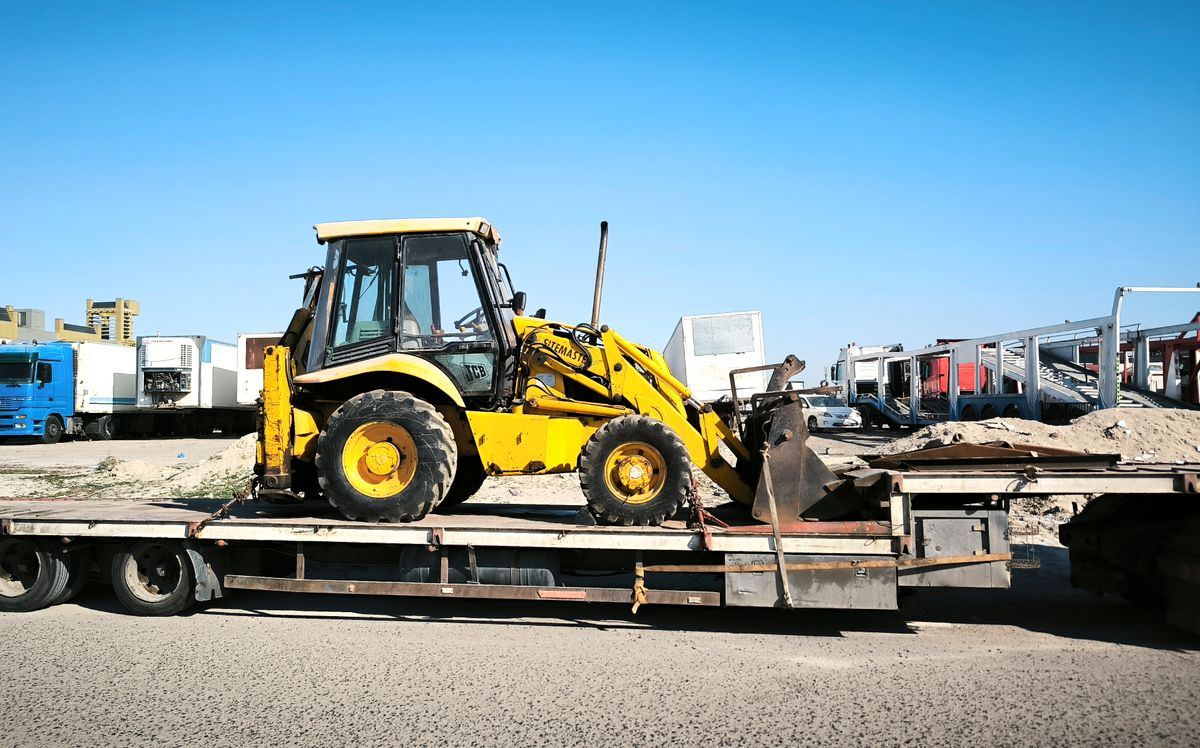
Depreciation is the way a business spreads the cost of a long-lasting physical asset over its useful life.
Assets that are usually depreciated include:
- Vehicles and trailers.
- Machinery, tools, and equipment.
- Computers and office furniture.
- Buildings and many building improvements.
Land is not depreciated, because it doesn’t wear out. Intangible assets, like a purchased customer list, are spread out too, but that’s called amortization.
Each year, part of the asset’s cost becomes a depreciation expense on your income statement. At the same time, the asset’s value on your balance sheet goes down by the same amount. That running total is called accumulated depreciation, and the cost minus accumulated depreciation is the asset’s book value.
The Straight-Line Depreciation Formula
The simplest and most common method is straight-line depreciation. It spreads the cost evenly.
Annual depreciation = (Cost − Salvage value) ÷ Useful life in years
- Cost: what you paid, including delivery and setup.
- Salvage value: what you expect to sell it for at the end.
- Useful life: how many years you expect to use it.
There are other methods. Declining balance methods take more depreciation in the early years. For U.S. taxes, most business property uses the IRS system called MACRS, which sets the recovery period for each type of asset. Your bookkeeping and your tax return don’t always use the same method, which is normal.
Worked Example: A Landscaping Company Buys a Mower
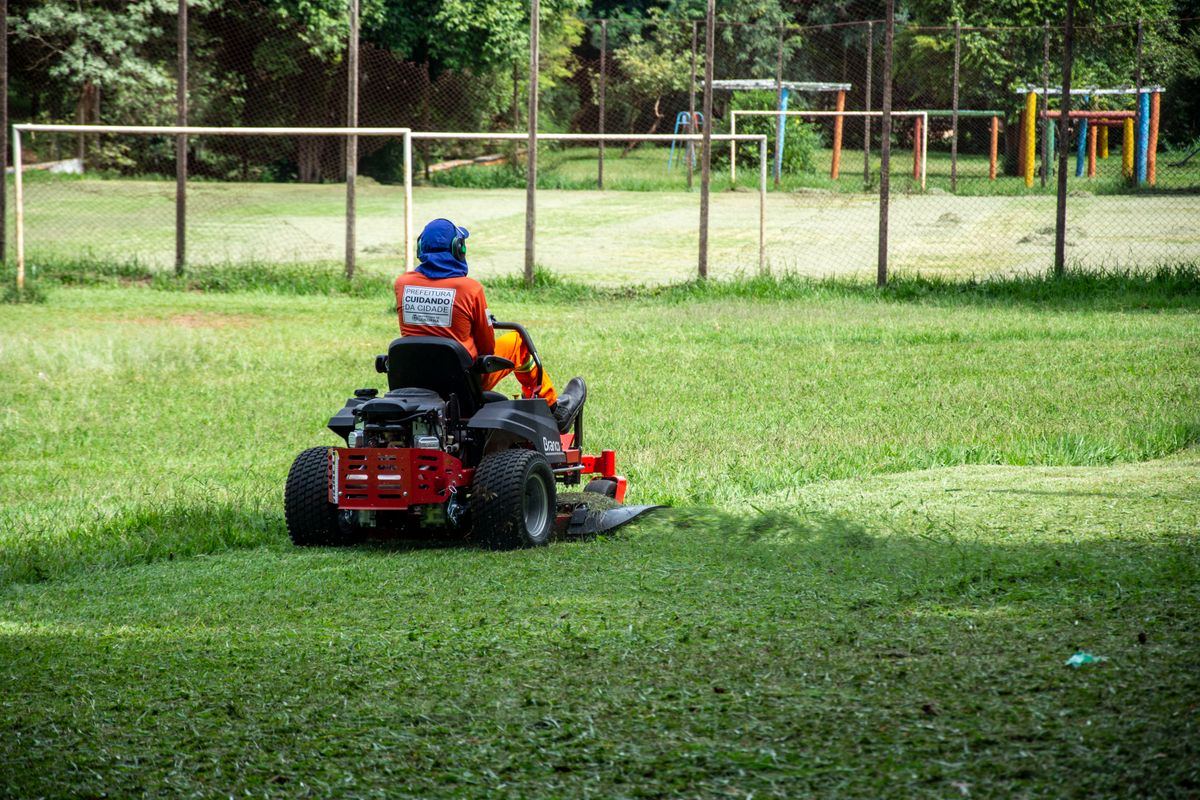
A landscaping company buys a commercial zero-turn mower. All figures are illustrative.
- Cost, delivered: $12,000
- Expected salvage value after 5 years: $2,000
- Useful life: 5 years
Annual depreciation = ($12,000 − $2,000) ÷ 5 = $2,000 per year
| Year | Depreciation expense | Accumulated depreciation | Book value at year-end |
|---|---|---|---|
| 1 | $2,000 | $2,000 | $10,000 |
| 2 | $2,000 | $4,000 | $8,000 |
| 3 | $2,000 | $6,000 | $6,000 |
| 4 | $2,000 | $8,000 | $4,000 |
| 5 | $2,000 | $10,000 | $2,000 |
Each year, $2,000 of the mower’s cost shows up as an expense. That’s a fairer picture than a $12,000 hit in year one and nothing afterward.
Notice what doesn’t happen: no cash leaves the business each year for depreciation. The cash went out when the mower was bought (or goes out as loan payments). That’s why depreciation is called a non-cash expense, and why profit and cash can drift apart, as explained in cash flow vs profit.
Depreciation and Taxes
Depreciation lowers your taxable profit, which lowers your tax bill. The IRS also offers ways to deduct more of the cost sooner:
- Section 179 lets many small businesses deduct the full cost of qualifying equipment in the year it’s placed in service, up to an annual limit.
- Bonus depreciation lets businesses deduct a large share, or all, of the cost of qualifying property in the first year.
- The de minimis safe harbor lets many small businesses simply expense lower-cost items, up to $2,500 per item or invoice, if they make the election and have a written or consistent policy.
Depreciation is reported on IRS Form 4562. The limits and rules for Section 179 and bonus depreciation change with tax law, so check the current figures with a tax professional before a big purchase.
A big first-year write-off can be useful, but it means less depreciation to deduct in later years. It’s a timing choice, not free money.
Common Mistakes With Depreciation
- Expensing a big purchase without thinking. Writing off a $40,000 truck all at once can make a strong year look like a loss on your own reports. That can confuse lenders or buyers if you don’t explain it.
- Forgetting to plan for replacement. Depreciation reminds you the asset is wearing out. Setting aside cash each year makes the next purchase easier.
- Depreciating land. Land isn’t depreciable. If you buy a building, the price has to be split between the building and the land.
- Losing the records. Keep the receipt, the date it went into service, and the method used. You’ll need them when you sell or scrap the asset.
- Ignoring it in pricing. Equipment wear is a real cost. If your prices don’t cover it, you’re slowly eating your capital. Your overhead and operating expenses should include it.
To see whether a new piece of equipment pays for itself, run the numbers with the free return on investment calculator.
Frequently Asked Questions
Is depreciation a real expense?
Yes. It reflects the real cost of using up an asset. It’s just not a cash payment each year, because the cash was spent when you bought the asset.
What is the difference between depreciation and amortization?
Depreciation applies to physical assets like equipment and vehicles. Amortization applies to intangible assets, such as a purchased customer list or certain startup costs.
Can I deduct the full cost of equipment in one year?
Often, yes. Section 179 and bonus depreciation can let many businesses deduct most or all of the cost of qualifying equipment in the first year, within limits set by tax law.
What is book value?
Book value is what you paid for an asset minus the depreciation recorded so far. It’s not the same as what you could sell it for today.
Do I depreciate a used vehicle?
Yes. Used assets can be depreciated too, starting from what you paid. Vehicles have some special limits, so ask your accountant how they apply to yours.