How to Create a Budget and Stick to It: A Practical Step-by-Step Guide
Listen to this article
Most budgets don’t fail because the math is hard. They fail because the plan doesn’t match real life, it takes too long to keep up, or one bad week makes the whole thing feel pointless. The goal of this guide is a budget you’ll actually use: simple enough to maintain, honest about your spending, and flexible enough to survive surprises.
The steps below follow the approach recommended by the Consumer Financial Protection Bureau (CFPB), with practical tips for building the habit. The example figures are illustrative.
Why a Budget Matters
A budget is a plan for your money before you spend it. The CFPB describes making and sticking to a budget as “a key step towards getting a handle on your debt and working towards a savings goal.” Until you know what’s coming in and where it’s going, it’s hard to know whether anything will be left over to save.
A budget also does something less obvious: it reduces the number of money decisions you have to make. Once you’ve decided how much goes to groceries or eating out each month, you don’t need to agonize over every purchase. You just check whether it fits.
If you’re new to managing money, the guide to personal finance basics for beginners covers the bigger picture, including saving, debt, and credit.
Step 1: Add Up Your Income

Start with a complete picture of the money coming in. Include:
- Take-home pay from every job (after taxes and deductions)
- Side income or self-employment income
- Benefits, child support, or other regular payments
Use your take-home pay, not your salary. If your income varies, as it does for freelancers, gig workers, and commission-based jobs, use your lowest typical month as the baseline. Treat anything above it as a bonus to assign later.
The CFPB’s free Your Money, Your Goals toolkit includes an income tracker you can print or fill in.
Step 2: Track Where Your Money Actually Goes
This is the step most people want to skip, and the one that matters most. The CFPB calls logging your spending “the heaviest lift” of the process.
For at least two to four weeks, record what you spend. You can:
- Review your bank and card statements for the last one or two months
- Keep a daily log in a notebook or notes app
- Save receipts in an envelope or folder and review them weekly
Then sort spending into categories. Keep them simple:
- Housing: rent or mortgage, insurance, property tax
- Utilities: electricity, water, gas, phone, internet
- Transportation: car payment, fuel, insurance, transit
- Food: groceries and eating out (track these separately)
- Debt payments: cards, loans
- Personal and household: clothing, toiletries, subscriptions
- Fun: entertainment, hobbies, gifts
- Savings: emergency fund and other goals
If the full picture feels overwhelming, the CFPB suggests starting small by reviewing one week at a time. Small daily purchases like coffee or lunch out are the ones that usually surprise people.
Step 3: List Your Bills and Due Dates
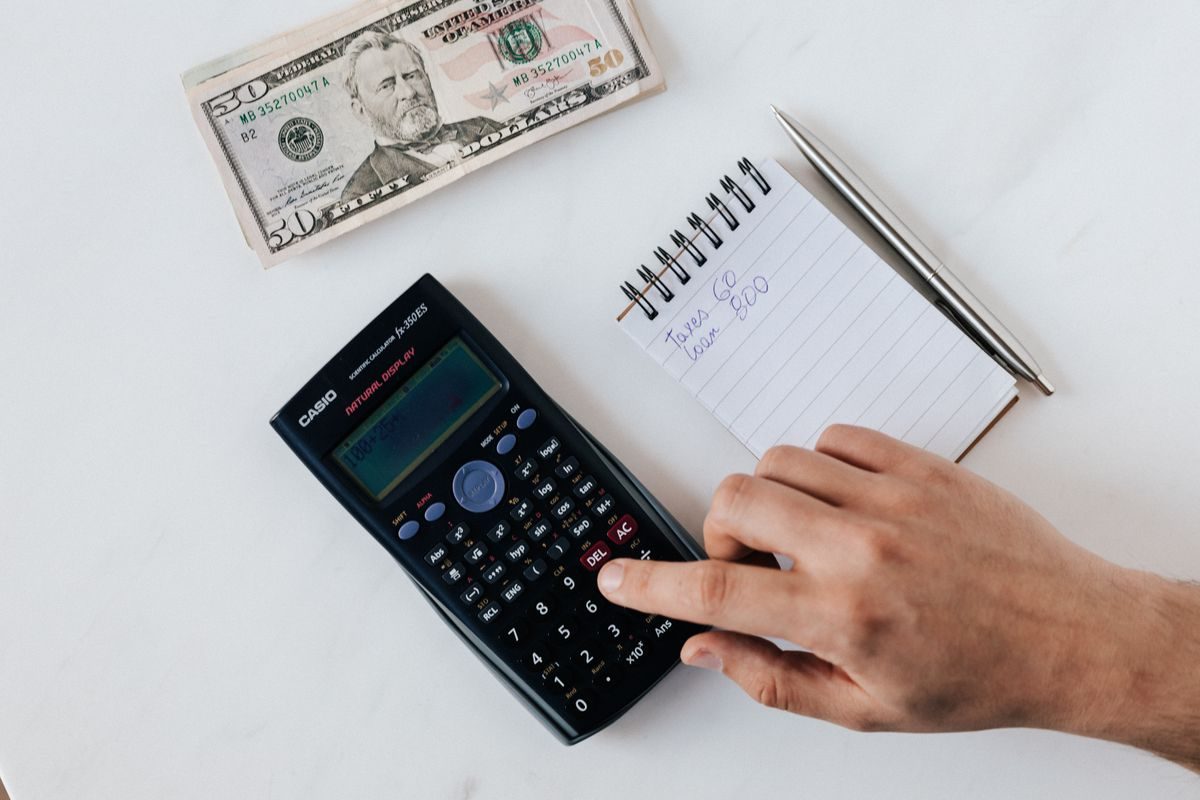
A budget can balance on paper and still fall apart if bills come due before payday. Write down every regular bill, the amount, and the date it’s due. A simple bill calendar shows which weeks are tight.
If timing is the problem, many lenders and utilities will let you change a due date. Moving a bill so it lands after payday can fix a recurring shortfall without cutting anything.
Step 4: Build Your Working Budget
Now put it together. Subtract your planned spending from your income. If there’s money left, assign it to a goal. If you’re short, adjust categories until it balances.
Here’s an illustrative monthly budget for a single person with $3,200 in take-home pay:
| Category | Planned amount |
|---|---|
| Rent and renter’s insurance | $1,150 |
| Utilities, phone, internet | $220 |
| Transportation | $310 |
| Groceries | $380 |
| Eating out | $120 |
| Debt payments | $250 |
| Personal and household | $150 |
| Fun and subscriptions | $120 |
| Emergency fund | $300 |
| Other savings goal | $150 |
| Buffer for irregular costs | $50 |
| Total | $3,200 |
Notice that savings are planned like a bill, not left to whatever remains. That’s the idea behind “pay yourself first.”
Choose a Budgeting Method That Fits You
There’s no single correct method. Choose the one you’ll keep using.
- Zero-based budget: Every dollar of income gets a job, so income minus planned spending equals zero. It’s detailed and works well if you like control.
- Percentage-based budget: You split take-home pay into broad buckets, such as needs, wants, and savings, using percentages that suit your situation. A common rule of thumb is 50/30/20, but treat that as a starting point, not a rule. In high-cost areas, needs often take a bigger share.
- Envelope method: You set a fixed amount for flexible categories like groceries and fun, using cash envelopes or separate digital “pots.” When an envelope is empty, spending in that category stops until next month.
- Pay-yourself-first budget: You move a set amount to savings on payday and spend the rest freely, as long as bills are covered. It’s the lowest-effort method and works well for people who dislike tracking.
How to Stick to Your Budget
Creating a budget takes an afternoon. Sticking to it is a habit. These tips make it easier.
Make Tracking Effortless
The CFPB advises creating “a way that’s easy for you to track income and spending in real time.” That might be a banking app with category tags, a spreadsheet you update on Sundays, or a folder of receipts. The best system is the one you’ll open.
Hold a Weekly Money Check-In
Set 15 minutes on the same day each week. Look at what you spent, compare it to your plan, and adjust the rest of the month. Small, regular check-ins catch problems before they become a painful month-end surprise.
Automate the Important Parts
Set up automatic transfers to savings on payday and automatic payments for fixed bills. Automation protects your priorities on the weeks you don’t feel disciplined.
Plan for Irregular Expenses
Car repairs, annual subscriptions, holiday gifts, and medical copays aren’t really surprises. They just don’t happen every month. Total your expected irregular costs for the year, divide by 12, and set that amount aside monthly. An emergency fund covers the truly unexpected.
Give Yourself Some Fun Money
A budget with zero room for enjoyment is a budget you’ll abandon. A modest, guilt-free fun category makes the rest of the plan sustainable.
Tie the Budget to a Goal
The CFPB recommends setting a goal, small or large, and rewarding yourself for progress. “Save $1,000 for emergencies by June” is far more motivating than “spend less.” The guide to SMART goals for your personal life shows how to make a goal specific and measurable.
Get Support
Budgeting is easier with someone in your corner. The CFPB suggests building a support system of family or friends who can budget with you or listen when it’s hard. If you share finances with a partner, agree on the plan together and schedule a regular money talk.
What to Do When You Go Over Budget
Overspending one category is normal, especially in the first few months. The budget isn’t broken; it’s giving you information.
- Don’t quit. One bad week doesn’t cancel the plan.
- Move money, don’t ignore it. Cover the overspend from a flexible category, such as fun or eating out, so the total still balances.
- Look for the pattern. If the same category goes over every month, your estimate was probably too low. Raise it and cut somewhere else.
- Update your budget after life changes. The CFPB recommends updating your budget when your job or spending habits change. A new job, a move, or a new baby all mean a new plan.
Common Budgeting Mistakes
- Budgeting with gross pay instead of take-home pay.
- Underestimating food spending. Groceries and eating out are often the largest gap between plan and reality.
- Forgetting annual costs like insurance premiums and renewals.
- Making categories too detailed. Twenty categories are hard to maintain. Eight to ten is usually enough.
- Not budgeting for savings, then hoping something is left over.
- Starting too strict. Cutting everything at once rarely lasts. Make one or two changes a month instead.
A Quick-Start Checklist
- Gather the last two months of bank and card statements.
- Write down your monthly take-home income.
- Sort your spending into eight to ten categories.
- List every bill with its due date.
- Set a planned amount for each category, including savings.
- Choose a method: zero-based, percentage, envelope, or pay-yourself-first.
- Automate savings and fixed bills.
- Schedule a 15-minute weekly check-in.
- Review and adjust at the end of the first month.
Frequently Asked Questions
What is the first step in creating a budget?
Start by adding up your monthly take-home income from every source. Then track your actual spending for a few weeks so your plan is based on real numbers rather than guesses.
How do I create a budget if my income is irregular?
Base your budget on your lowest typical month of income and cover essentials first. In higher-income months, put the extra toward savings or a buffer that tops up your spending in leaner months.
Which budgeting method is best for beginners?
The best method is the one you’ll keep using. The pay-yourself-first method is the simplest because it only requires automatic savings and covering bills. The zero-based method gives more control but takes more tracking.
How can I stick to a budget when I keep overspending?
Hold a short weekly check-in, move money from flexible categories to cover overspending, and raise any category that goes over every month. Automating savings and keeping a small fun money category also help.
How often should I update my budget?
Review it weekly and adjust it monthly. Update it whenever your income, job, housing, or household changes, since a budget only works if it reflects your current situation.